
Finding the right sympathy card message can be difficult when someone you care about is grieving. You want to offer comfort and show your support, but it can feel impossible to find words that truly express what you mean.
I believe a heartfelt message doesn’t need perfect words to make someone feel less alone. Sometimes, a few gentle and sincere sentences can remind a grieving person that they are loved, supported, and remembered.
Whether you’re writing to a close friend, a family member, or a coworker, I’ll help you find thoughtful words that fit the situation. You’ll discover simple condolences, comforting messages, and meaningful examples you can personalize to express your care.
Short Sympathy Card Messages
Short sympathy messages are ideal when you want to express your condolences without filling the entire card. A few sincere sentences can communicate warmth and support while giving the grieving person space to process their feelings.
- “I am so sorry for your loss. You and your family are in my thoughts during this difficult time.”
- “With deepest sympathy, I am sending you love and wishing you comfort in the days ahead.”
- “My heart goes out to you as you navigate this painful loss. Please know that I am thinking of you.”
- “I wish I had the right words to ease your pain. Please accept my heartfelt condolences.”
- “Thinking of you with love and care as you remember someone who meant so much to you.”
- “I am deeply sorry for your loss. May the love around you bring moments of comfort and peace.”
- “Please know that you are not alone in your grief. I am keeping you close in my thoughts.”
- “Sending my sincere sympathy to you and your family. Wishing you gentleness and strength in the days ahead.”
- “There are no perfect words for a loss like this. I simply want you to know that I care.”
- “With heartfelt sympathy, may you find comfort in cherished memories and the support of those who love you.”
Heartfelt Sympathy Card Messages

A heartfelt message is especially appropriate when you have a close relationship with the grieving person or want to express deeper emotions. You can make it more personal by mentioning the loved one’s name or including a genuine memory that reflects their life and character.
- “My heart aches for you during this heartbreaking time. I hope the love you shared with [Name] remains a source of comfort when the days feel overwhelming.”
- “I cannot take away your sadness, but I hope you know how deeply you are loved. I am here to listen, remember, and support you whenever you need me.”
- “Some people leave a lasting mark on every life they touch. I hope you find comfort in knowing that [Name]’s kindness and love will continue to be remembered.”
- “I wish I could make this difficult journey easier for you. Until the pain feels less overwhelming, please remember that you have people who care about you.”
- “May the memories you hold dear bring you moments of warmth amid the sadness. I am so sorry you have to say goodbye to someone so important.”
- “I know this loss has changed your world in ways words cannot describe. Please give yourself permission to grieve in your own time and in your own way.”
- “I am grateful for the chance to have known [Name]. Their warmth and generosity made a difference, and I will remember them with genuine affection.”
- “You do not need to be strong every moment or find meaning in what has happened. I hope you allow others to care for you while you heal.”
- “Please accept my deepest sympathy. I hope that, little by little, the memories that bring tears today will also bring smiles and gratitude for the time you shared.”
- “My thoughts are with you as you face this tremendous loss. May you always feel connected to the love, lessons, and beautiful moments that remain part of your story.”
Sympathy Card Messages For The Loss Of A Mother
Losing a mother can leave a profound absence in someone’s life. When writing a sympathy card, acknowledge the loss with tenderness and avoid assuming what the relationship was like. If you knew her personally, a sincere memory or a quality you admired can make your message especially meaningful.
- “I am so sorry about your mother’s passing. I hope the love she gave you continues to bring comfort throughout your life.”
- “Your mother was a special person, and I feel fortunate to have known her. I will remember her warmth and the way she made others feel welcome.”
- “My heart goes out to you as you grieve your mom. I hope the memories of your time together bring you comfort when you miss her most.”
- “I know there is no easy way to say goodbye to your mother. Please know that I am thinking of you and sending you so much love.”
- “Your mom’s kindness left a beautiful impression on everyone around her. I am deeply sorry for your loss and will remember her fondly.”
- “May the little things your mother taught you, the traditions she created, and the stories you shared remain precious parts of your life.”
- “I am holding you and your family in my thoughts. I hope you feel supported as you navigate the many emotions that come with losing your mother.”
- “I wish I could ease the sadness you are feeling. Please remember that you can talk about your mom, share memories, or simply sit quietly with me.”
- “Your mother helped shape the person you are today, and that influence will always be part of you. I am so sorry you are facing this loss.”
- “With deepest sympathy on the loss of your beloved mother. May the love she gave and the memories you created together bring peace to your heart.”
Sympathy Card Messages For The Loss Of A Father
A father may be a source of guidance, encouragement, tradition, or complicated but important memories. A thoughtful card recognizes the significance of the loss without telling the recipient how they should feel.
- “I am deeply sorry for the loss of your father. I hope the lessons he shared and the memories you made together remain a lasting source of strength.”
- “Your dad’s kindness and steady presence made a difference to those who knew him. I am grateful I had the opportunity to know him.”
- “My heart goes out to you and your family as you say goodbye to your father. Please know that you are in my thoughts.”
- “I hope you find comfort in remembering the conversations, laughter, and small everyday moments that made your relationship with your dad unique.”
- “I was saddened to hear about your father’s passing. May you feel surrounded by love and supported through every difficult day.”
- “Your father’s influence will continue through the values he shared and the lives he touched. I am truly sorry for your loss.”
- “I know your dad held an important place in your life. I hope the stories you share about him help keep his memory close.”
- “Please accept my heartfelt condolences. There is no timetable for grief, so take the time you need and let the people who care about you help.”
- “I will remember your father for his generosity and the way he treated people with respect. He will be missed.”
- “Sending you and your family my deepest sympathy. May the memories of your father remind you of the meaningful bond you shared.”
Sympathy Card Messages For The Loss Of A Spouse Or Partner
Losing a spouse or partner means grieving someone who may have been part of everyday routines, future plans, and a shared home. Your message should acknowledge the depth of that loss without suggesting that the grieving person should move on or feel better quickly.
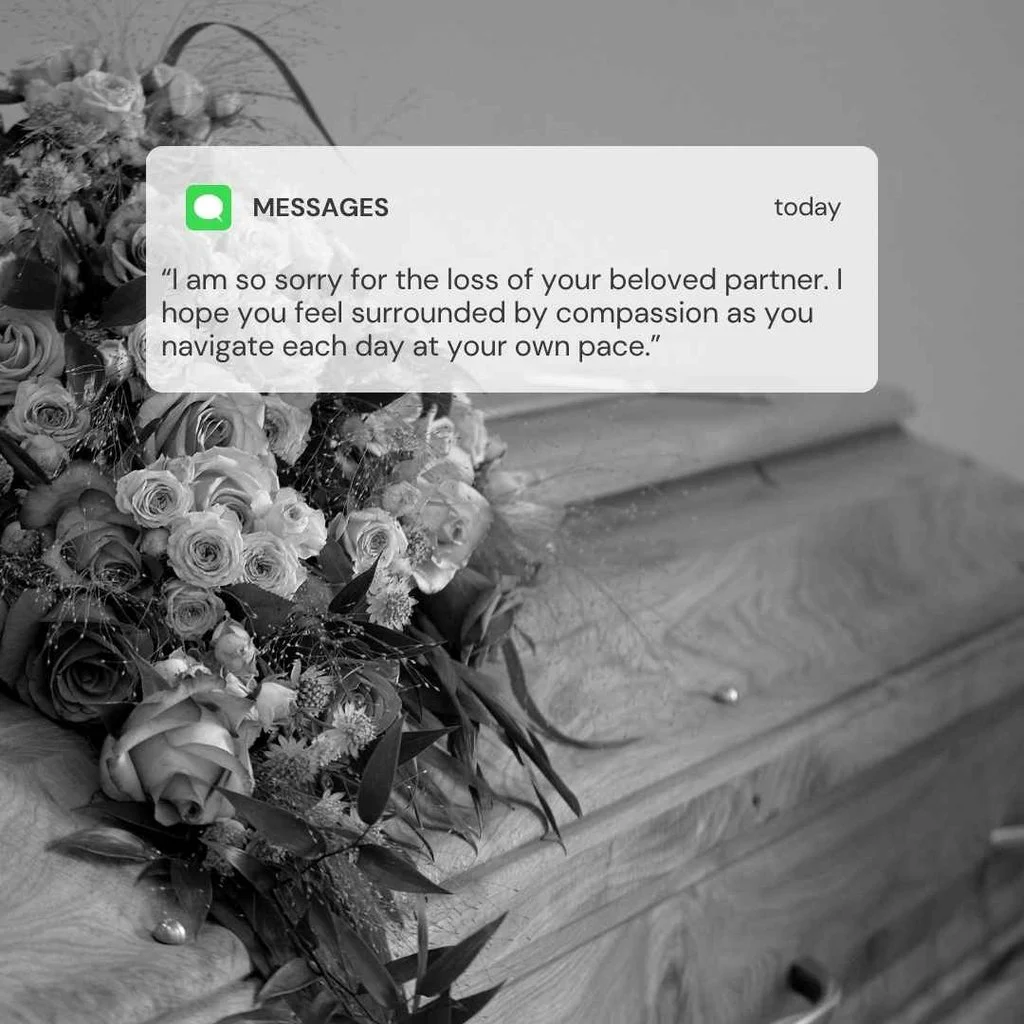
- “I am so sorry for the loss of your beloved partner. I hope you feel surrounded by compassion as you navigate each day at your own pace.”
- “My heart goes out to you after the loss of someone who shared so much of your life. I am here to listen whenever you want to talk.”
- “The love you built together is part of your story, and I hope your cherished memories bring comfort in the moments when the house feels too quiet.”
- “I cannot imagine how difficult this goodbye must be. Please know that you do not have to face the coming days without support.”
- “I am thinking of you and honoring the life you shared with [Name]. May the memories of your time together remain a source of tenderness.”
- “There is no need to know what comes next right now. Take each day as it arrives, and let those who love you walk beside you.”
- “I am deeply sorry that you have lost your companion, your confidant, and such an important part of your life. Sending you my heartfelt sympathy.”
- “May the stories, photographs, familiar places, and little traditions you shared with [Name] remind you that your life together mattered deeply.”
- “I wish I could make this heartbreak lighter. I will continue to check in and be here for the difficult days, not only the first few.”
- “Please accept my deepest condolences. I hope you find gentle moments of rest and comfort while carrying the memory of the person you loved.”
Sympathy Card Messages For The Loss Of A Child
When someone loses a child, ordinary words can feel painfully inadequate. The most considerate approach is to acknowledge the loss, express your love, and avoid explanations or assumptions about what the family needs. A simple, compassionate message can be enough.
- “My heart breaks for you and your family. I am so deeply sorry for the loss of your precious child, and I am holding you close in my thoughts.”
- “There are no words that can express how sorry I am. Please know that your child’s life mattered, and their memory deserves to be held with love.”
- “I am thinking of you with so much tenderness during this unimaginable time. You do not need to respond or explain anything; I simply want you to know I care.”
- “Your beautiful child will always be part of your family’s story. I am deeply sorry for your loss and wish I could ease even a little of your pain.”
- “I cannot pretend to understand the depth of your grief, but I want to stand beside you through it. You and your family are in my heart.”
- “I am so sorry that you are facing a loss no parent should have to experience. Please allow yourself whatever time and space you need.”
- “I will remember [Name] with affection and respect. Thank you for allowing others to know and appreciate the precious life your family loves so dearly.”
- “Please know that you do not have to find the right words or appear strong around me. I am here to listen whenever you want to share your feelings.”
- “My deepest sympathy is with you today and in the difficult days ahead. I hope you have caring people around you who will honor your grief without rushing it.”
- “Sending you love as you remember your beloved child. Their place in your family and the love you hold for them will always matter.”
Sympathy Card Messages For A Friend Or Extended Family Member
A card for a friend, cousin, aunt, uncle, or another relative can be warm and personal without sounding overly formal. Choose wording that reflects your relationship and reassures the person that you are willing to stay connected beyond the immediate loss.
- “I am so sorry you are going through this. You mean a great deal to me, and I want you to know that you can lean on me whenever life feels too heavy.”
- “I wish I could be there to give you a hug and sit with you for a while. Until then, please accept all my love and heartfelt sympathy.”
- “Our family is thinking of you and sending you so much love. I hope we can support one another as we remember someone who meant so much to us.”
- “I know how much [Name] meant to you, and I am truly sorry for your loss. I would love to hear your favorite stories about them whenever you feel ready.”
- “You have brought so much kindness into the lives of others, and I hope you feel some of that kindness coming back to you now.”
- “I am sorry that you have to navigate these difficult days. I would be happy to bring dinner over this weekend so you have one less thing to worry about.”
- “I am keeping you in my thoughts and remembering how much joy [Name] brought to our gatherings. Their absence will be felt, and their memory will be treasured.”
- “Please do not feel that you need to reply to this card. I simply wanted to remind you that you are loved and that I am thinking about you.”
- “I know everyone grieves differently, and whatever you are feeling is welcome with me. I am here for the conversations, the tears, and the quiet moments.”
- “My deepest sympathy to you and everyone who loved [Name]. May we find comfort in the memories we share and in the care we can offer one another.”
Sympathy Card Messages For A Coworker Or Professional Contact
A professional sympathy card should balance compassion with respect for personal boundaries. You can express sincere concern without asking for private details. If you are writing on behalf of a team, use language that represents the group honestly and does not make promises the organization cannot keep.
- “Please accept my sincere condolences on your loss. My thoughts are with you and your family during this difficult time.”
- “I was saddened to hear of your loss. Wishing you comfort, peace, and the support you need in the days ahead.”
- “Our team is thinking of you and sending heartfelt sympathy. Please take the time you need to care for yourself and your loved ones.”
- “I am very sorry for your loss. I hope the kindness of family, friends, and colleagues provides some comfort during this difficult period.”
- “Please know that you have my deepest sympathy. I am thinking of you and wishing your family peace as you navigate this painful time.”
- “It was with great sadness that I learned of your loss. Please accept my heartfelt condolences and warmest thoughts.”
- “On behalf of our team, please accept our sincere sympathy. We are thinking of you and your loved ones as you grieve.”
- “I am sorry to hear about the passing of your family member. If a practical adjustment at work would help, please feel free to let me know.”
- “Please accept my deepest condolences. I hope you have the space, understanding, and support you need during this time.”
- “My thoughts are with you and your family. Wishing you comfort as you remember your loved one and navigate the days ahead.”
Religious And Nonreligious Sympathy Card Messages
The best message respects the recipient’s beliefs. If you know the person finds comfort in faith, a prayer or reference to God may feel natural. If you are uncertain, choose a nonreligious message that focuses on love, remembrance, and support.
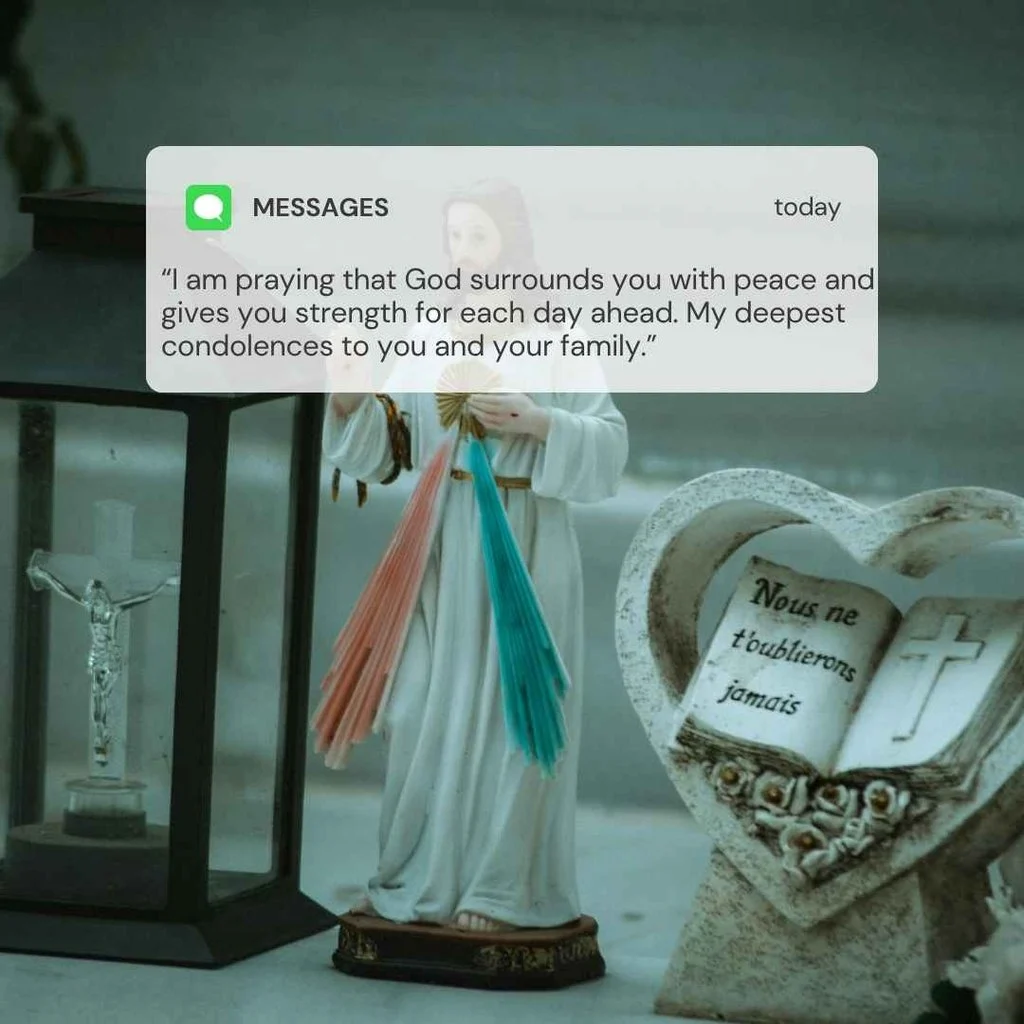
- “I am praying that God surrounds you with peace and gives you strength for each day ahead. My deepest condolences to you and your family.”
- “May God’s love comfort you in your sorrow, and may your faith offer a place of rest when grief feels overwhelming.”
- “You and your family are in my prayers. May the Lord bring you comfort as you remember the life and love of someone so dear.”
- “May your loved one rest in eternal peace, and may you find comfort in the love and prayers of those around you.”
- “I pray that you feel God’s presence in the quiet moments and find strength in knowing that you are cared for.”
- “I am so sorry for your loss. May the memories you carry bring warmth to your heart and remind you of the love you shared.”
- “May the love that surrounded your loved one continue to bring meaning to your life. I am thinking of you and wishing you peace.”
- “Although words cannot change what has happened, I hope the support of your family and friends helps you feel less alone.”
- “May the memories of your loved one remain a gentle part of your everyday life, bringing comfort when you least expect it.”
- “I am holding you in my thoughts and wishing you quiet moments of peace, loving support, and the strength to take things one day at a time.”
Frequently Asked Questions
What Should You Write In A Sympathy Card?
Write a sincere message that acknowledges the loss, expresses your sympathy, and lets the person know you care. If you knew the deceased, add a genuine memory or something you admired about them. You can close with a simple expression of support, such as “Thinking of you and sending love.”
What Is A Good Short Sympathy Card Message?
A good short message is, “I am so sorry for your loss. Thinking of you and your family, and wishing you comfort in the days ahead.” A brief message is often enough when it is honest, thoughtful, and appropriate for your relationship.
How Do You Write A Sympathy Card For Someone You Do Not Know Well?
Keep the message respectful and straightforward. You could write, “Please accept my heartfelt condolences on your loss. I am thinking of you and your family during this difficult time.” Avoid making assumptions about their beliefs, relationship with the deceased, or emotional needs.
What Should You Avoid Writing In A Sympathy Card?
Avoid phrases such as “Everything happens for a reason,” “At least they lived a long life,” or “I know exactly how you feel.” These statements can unintentionally minimize someone’s grief. Focus instead on acknowledging the loss and offering sincere compassion without trying to explain it.
Is It Appropriate To Include A Religious Message In A Sympathy Card?
Yes, if you know the recipient welcomes religious language. A prayer or reference to faith may bring comfort to someone who shares those beliefs. If you are unsure, use a nonreligious message centered on love, memories, and emotional support.
What Is The Best Way To End A Sympathy Card?
Choose a closing that reflects your relationship with the recipient. “With deepest sympathy,” “Thinking of you,” and “With love and care” work in many situations. For a close friend or relative, you can also write, “I am here for you, today and in the days ahead,” provided you genuinely mean it.
Conclusion
A thoughtful sympathy card message can offer comfort when someone is facing one of life’s most difficult experiences. You do not need elaborate wording or perfect sentences to show that you care. Choose a message that reflects your relationship, acknowledge the loss, and share a genuine expression of support.
When appropriate, include a cherished memory or a specific offer to help. Remember that grief does not follow a schedule, and kindness can matter long after the funeral has passed. Sometimes, the simplest words, written with love, become the ones people remember most.

 Olivia Bennet
 Ethan Carter